
Following the Space Shuttle Columbia disaster in 2003, President Bush started the Constellation program to smoothly replace the Space Shuttle and expand space exploration beyond low Earth orbit.[38] Constellation was intended to use a significant amount of former Space Shuttle equipment and return astronauts to the Moon. This program was canceled by the Obama Administration. Former astronauts Neil Armstrong, Gene Cernan, and Jim Lovell sent a letter to President Barack Obama to warn him that if the US did not get new human spaceflight ability, the US risked becoming a second or third-rate space power.[4]
As early as the Reagan Administration, there had been calls for NASA to expand private sector involvement in space exploration rather than do it all in-house. In the 1990s, NASA and Lockheed Martin entered into an agreement to develop the Lockheed Martin X-33 demonstrator of the VentureStar spaceplane, which was intended to replace the Space Shuttle.[39] Due to technical challenges, the spacecraft was cancelled in 2001. Despite this, it was the first time a commercial space company directly expended a significant amount of its resources into spacecraft development. The advent of space tourism also forced NASA to challenge its assumption that only governments would have people in space. The first space tourist was Dennis Tito, an American investment manager and former aerospace engineer who contracted with the Russians to fly to the International Space Station for four days, despite the opposition of NASA to the idea.[4]
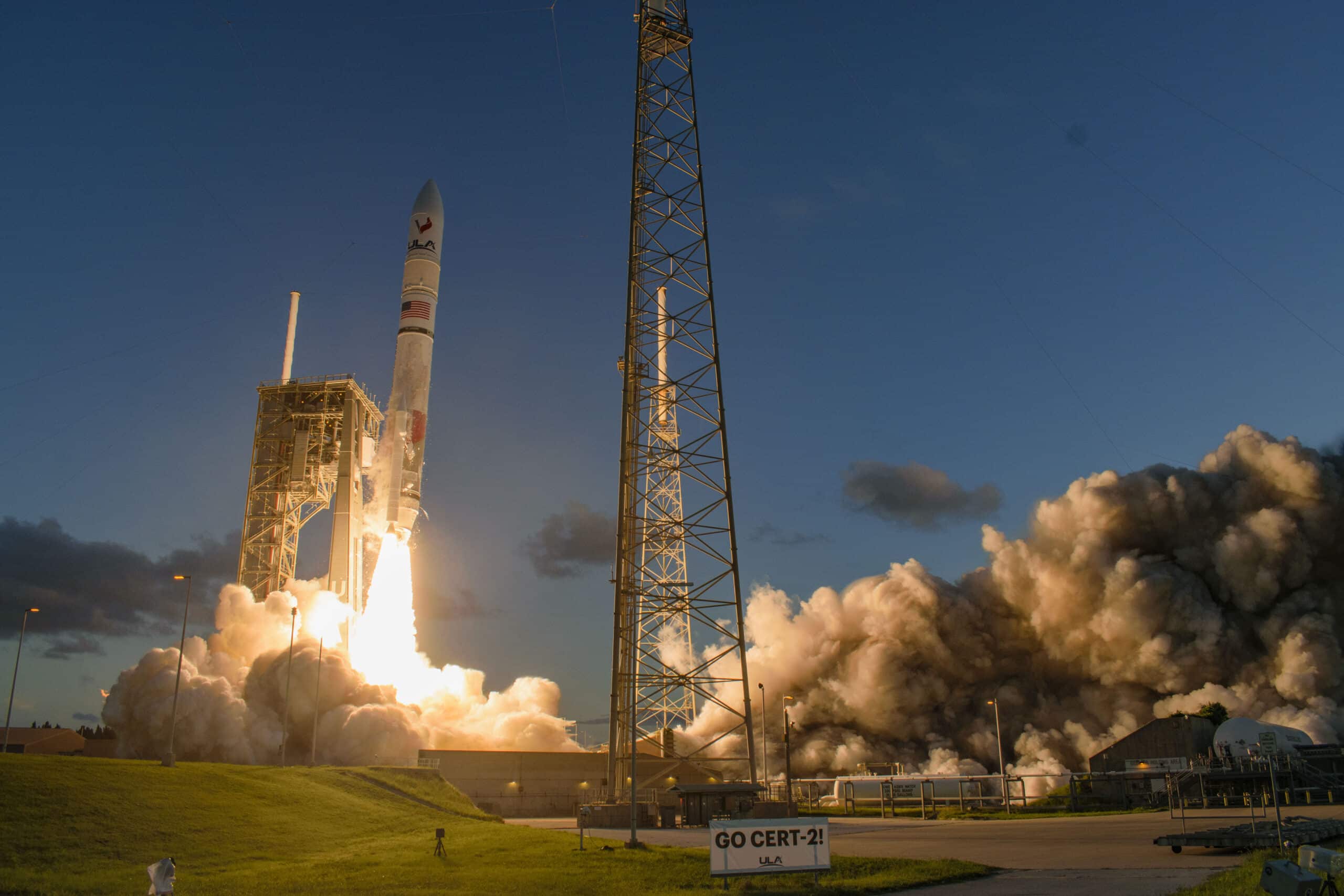
Advocates of this new commercial approach for NASA included former astronaut Buzz Aldrin, who remarked that it would return NASA to its roots as a research and development agency, with commercial entities actually operating the space systems. Having corporations take over orbital operations would also allow NASA to focus all its efforts on deep space exploration and returning humans to the Moon and going to Mars. Embracing this approach, NASA’s Commercial Crew Program started by contracting cargo delivery to the International Space Station and flew its first operational contracted mission on SpaceX Crew-1. This marked the first time since the retirement of the Space Shuttle that NASA was able to launch its own astronauts on an American spacecraft from the US, ending a decade of reliance on the Russians.[4]
In 2019, NASA announced the Artemis program, intending to return to the Moon and establish a permanent human presence.[40] This was paired with the Artemis Accords with partner nations to establish rules of behavior and norms of space commercialization on the Moon.[41]
In 2023, NASA established the Moon to Mars Program office. The office is designed to oversee the various projects, mission architectures and associated timelines relevant to lunar and Mars exploration and science.[42]